
Omkareshwar Temple Ukhimath : Winter Home of Kedarnath, History, Mythology & Complete Travel Guide
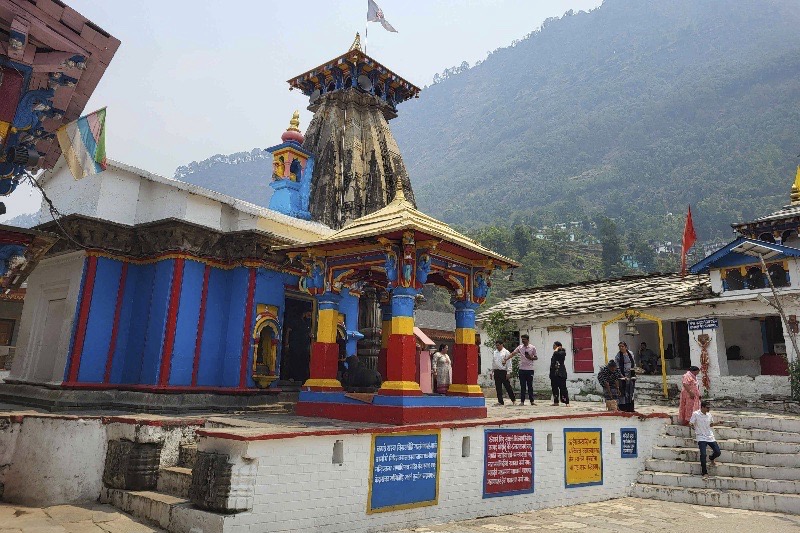
Omkareshwar Temple Ukhimath – Where Kedarnath Comes Home for Winter
Hidden among the mountains of Rudraprayag district, Ukhimath is one of those Himalayan towns that quietly carries centuries of faith within its narrow lanes. Most travelers pass through it on their way to Kedarnath, Chopta, or Madhyamaheshwar, often unaware that one of the most important temples of Uttarakhand stands here.
Omkareshwar Temple is not just another ancient Shiva shrine. For six months every year, when heavy snowfall closes the doors of Kedarnath Temple, Lord Kedarnath himself is worshipped here. The sacred idol of Baba Kedarnath is ceremonially brought from Kedarnath to Ukhimath, transforming this peaceful mountain town into one of the most spiritually significant destinations in the Garhwal Himalayas.
Unlike Kedarnath, which demands a challenging mountain journey, Omkareshwar Temple offers devotees an opportunity to experience the same divine connection without undertaking a high-altitude trek. The temple remains accessible throughout the year and attracts pilgrims, spiritual seekers, photographers, and travelers looking to explore the lesser-known religious heritage of Uttarakhand.
Standing in the temple courtyard on a clear morning, with views of snow-covered Himalayan peaks in the distance and temple bells echoing through the valley, it becomes easy to understand why Omkareshwar Temple holds such a special place in the hearts of devotees.
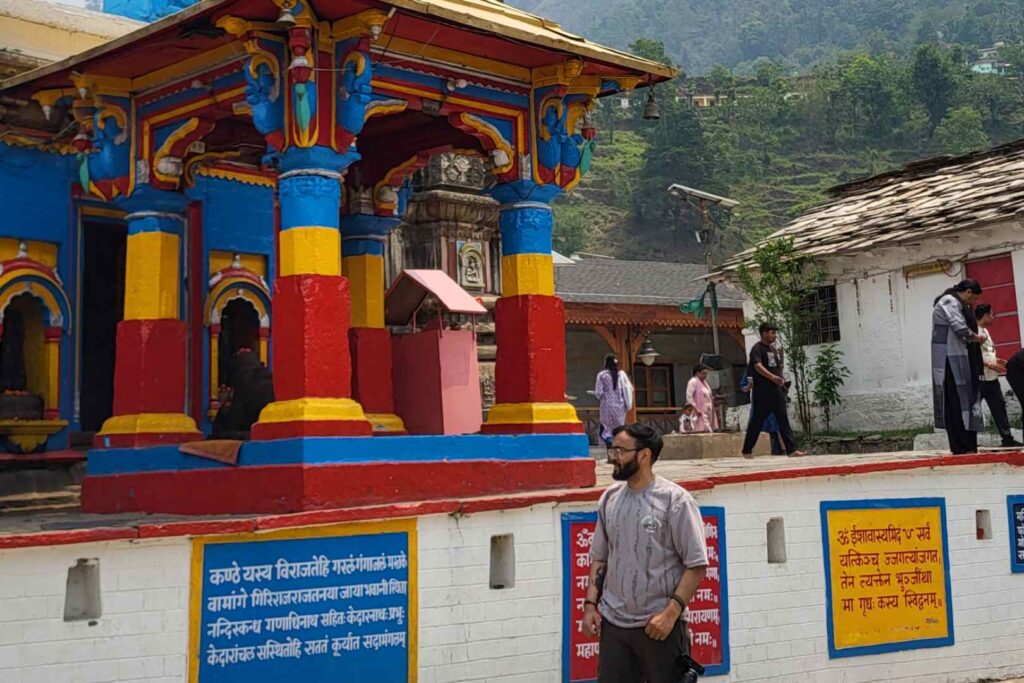
The Historical Importance of Omkareshwar Temple
Omkareshwar Temple is believed to be several centuries old and is deeply linked with the spiritual traditions of Garhwal. While exact records regarding its construction remain uncertain, local traditions associate the temple with the revival of Himalayan pilgrimage routes during the time of Adi Shankaracharya.
The temple has served as an important religious center for generations of pilgrims travelling across the Panch Kedar region. Over time, it became the designated winter seat of Kedarnath and Madhyamaheshwar, two of the most revered Shiva shrines in Uttarakhand.
This tradition has continued uninterrupted for centuries. Even today, when the doors of Kedarnath close after Diwali, the sacred procession carrying the deity travels through the mountains before reaching Ukhimath, where worship continues throughout the winter season.
For local residents, this annual movement is not simply a ritual. It represents the living connection between the high Himalayan temples and the villages that have protected these traditions for generations.
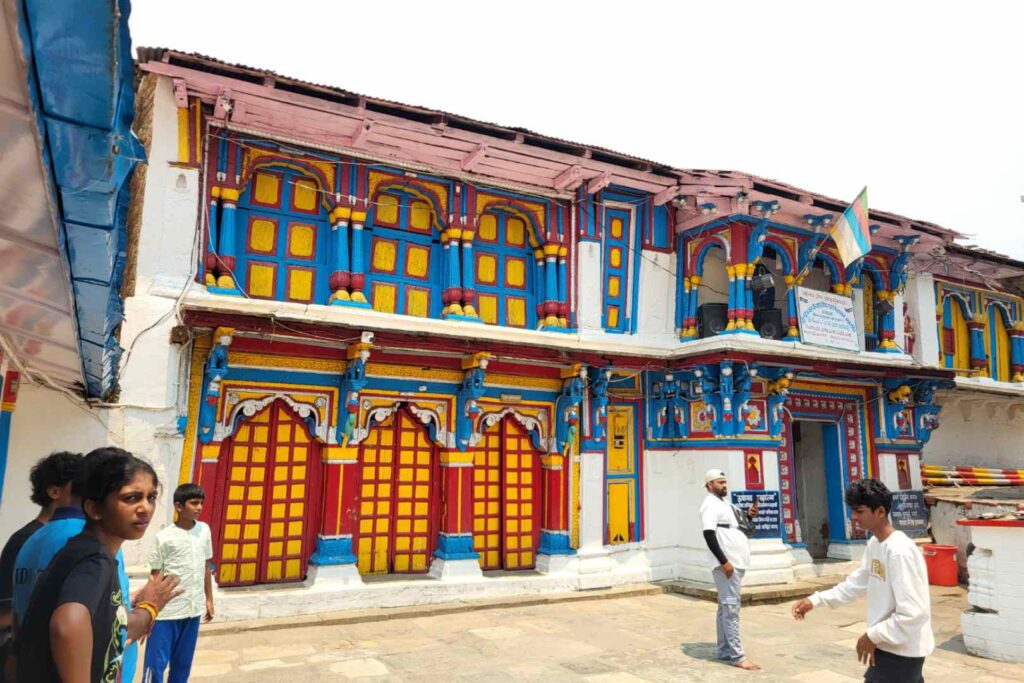
Mythological Significance of Omkareshwar Temple
The mythology of Omkareshwar Temple is closely connected with the famous Panch Kedar tradition.
According to Hindu beliefs, after the Kurukshetra War, the Pandavas sought forgiveness from Lord Shiva for the destruction and bloodshed caused during the battle. Shiva, however, was unwilling to forgive them immediately and chose to avoid them.
Taking the form of a bull, Lord Shiva disappeared into the mountains of Garhwal. When the Pandavas eventually discovered him, the bull vanished into the earth. Different parts of Shiva’s body appeared at five separate locations, which later became known as the Panch Kedar temples.
These sacred shrines are:
Kedarnath
Tungnath
Rudranath
Madhyamaheshwar
Kalpeshwar
Because Omkareshwar Temple houses the winter idols of Kedarnath and Madhyamaheshwar, it occupies a unique position within the Panch Kedar tradition. Many devotees believe that visiting Omkareshwar during winter brings blessings equivalent to visiting these sacred shrines themselves.
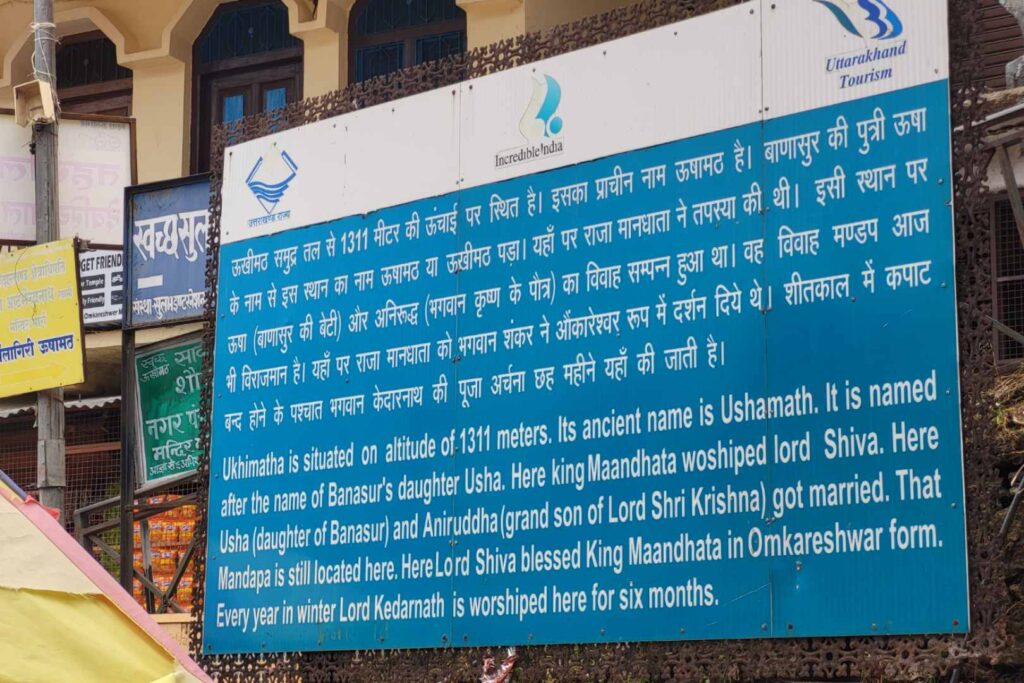
The Story of Usha and Aniruddha
Ukhimath has another fascinating mythological connection that many visitors do not know about.
According to ancient legends, this region is associated with the marriage of Usha, the daughter of King Banasura, and Aniruddha, the grandson of Lord Krishna.
The story appears in the Bhagavata Purana and describes how Usha fell in love with Aniruddha after seeing him in a dream. Their eventual union became one of the celebrated love stories of Hindu mythology.
Even today, idols representing Usha and Aniruddha can be found within the temple complex, making Omkareshwar Temple a rare place where Shaiva and Vaishnava traditions come together under one sacred roof.
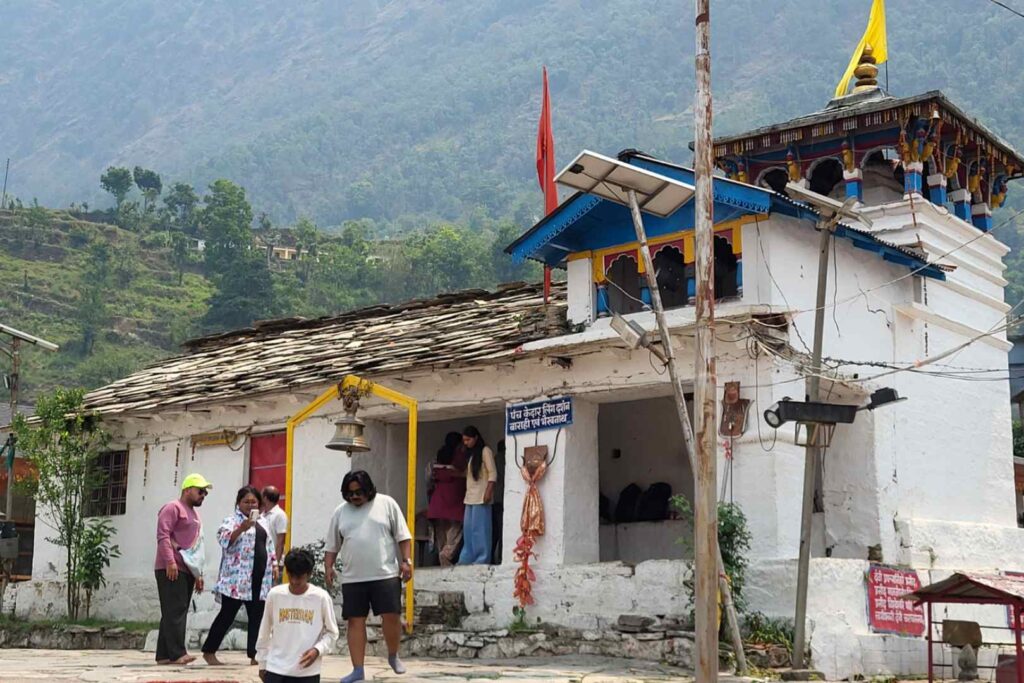
Why Omkareshwar Temple is Known as the Winter Home of Kedarnath
The identity of Omkareshwar Temple is inseparable from Kedarnath.
Every year, as winter approaches and snowfall begins in the upper Himalayas, the doors of Kedarnath Temple are ceremonially closed. The sacred idol of Lord Kedarnath is then carried in a grand procession from Kedarnath to Ukhimath.
The journey itself is an emotional event. Thousands of devotees gather along the route to witness the doli yatra, chanting “Har Har Mahadev” as the deity makes the journey to his winter abode.
From November until April or early May, all rituals, prayers, and daily worship that would normally take place at Kedarnath are performed inside Omkareshwar Temple.
For devotees unable to undertake the demanding Kedarnath trek, this period offers a special opportunity to seek blessings in a far more accessible location.
The idol of Lord Madhyamaheshwar is also brought here during winter, further increasing the temple’s religious significance.
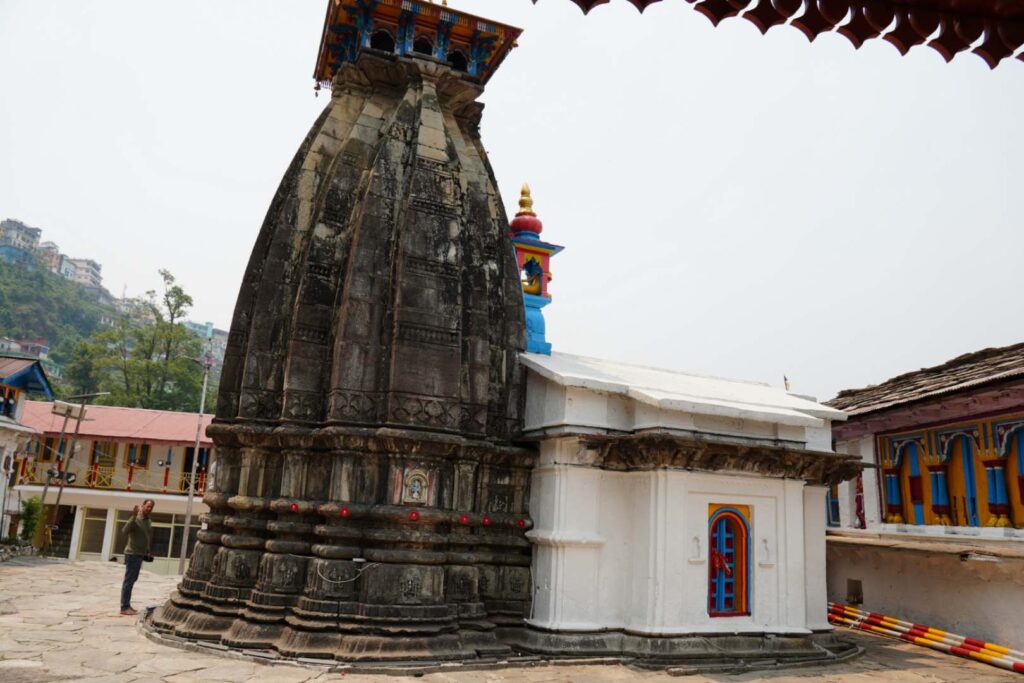
Architecture of Omkareshwar Temple
The architecture of Omkareshwar Temple reflects the traditional Himalayan temple style that has evolved over centuries in the Garhwal region.
Built primarily of stone, the temple features a classic Nagara-style shikhara rising above the sanctum. The structure is relatively compact compared to some of India’s larger temples, but its simplicity enhances its spiritual atmosphere.
Inside the complex, visitors will find several smaller shrines dedicated to various deities. The temple houses images of Lord Shiva, Goddess Parvati, Lord Ganesha, the Pandavas, and the legendary couple Usha and Aniruddha.
Unlike many crowded pilgrimage destinations, Omkareshwar Temple retains a peaceful and intimate environment where visitors can spend time in quiet reflection.
The surrounding landscape adds significantly to the experience. Terraced fields, traditional Garhwali houses, pine forests, and distant Himalayan peaks create a setting that feels both sacred and deeply connected to nature.
The Spiritual Experience of Visiting Omkareshwar Temple
What makes Omkareshwar Temple special is not just its history or mythology but the atmosphere that surrounds it.
Early mornings begin with the sound of temple bells and Vedic chants drifting across the valley. During winter, when the Kedarnath idol resides here, the energy of the temple changes noticeably.
Unlike major pilgrimage centers where crowds often dominate the experience, Omkareshwar offers a more personal connection. Visitors can sit quietly in the courtyard, observe rituals closely, and experience a sense of calm that is increasingly difficult to find in larger religious destinations.
The evening aarti is particularly memorable. As lamps illuminate the stone temple and prayers echo through the mountains, the experience feels deeply rooted in the timeless traditions of the Himalayas.
Best Time to Visit Omkareshwar Temple
Although the temple remains open throughout the year, different seasons offer different experiences.
Winter, from November to April, is undoubtedly the most significant period. This is when the idols of Kedarnath and Madhyamaheshwar reside in the temple. The spiritual atmosphere during these months is unlike any other time of the year.
Spring brings pleasant weather and marks the departure of the deities back to their original shrines. The ceremonial procession is a remarkable event for devotees.
Summer offers clear mountain views and is ideal for travelers combining their visit with Chopta, Tungnath, Deoria Tal, and other nearby attractions.
Monsoon transforms the region into a lush green landscape, though occasional landslides and road disruptions can affect travel plans.
Omkareshwar Temple Timings
The temple generally follows the following schedule:
Morning Darshan: 5:00 AM to 12:00 PM
Evening Darshan: 4:00 PM to 9:00 PM
Morning prayers and abhishek begin shortly after sunrise, while evening aarti usually takes place around sunset.
Timings may vary slightly depending on the season and special religious occasions.
How to Reach Omkareshwar Temple Ukhimath
Reaching Ukhimath is relatively straightforward compared to many other Himalayan pilgrimage destinations.
By Air, the nearest airport is Jolly Grant Airport in Dehradun.
By Train, the nearest railway stations are Haridwar and Rishikesh.
By Road, Ukhimath is connected through the well-known Char Dham route.
Rishikesh → Devprayag → Srinagar → Rudraprayag → Kund → Ukhimath
The road journey itself is scenic, passing through river valleys, mountain towns, and some of the most beautiful landscapes in Uttarakhand.
Places to Visit Near Omkareshwar Temple
A visit to Omkareshwar Temple can easily be combined with several important religious and natural attractions.
Tungnath Temple
The highest Shiva temple in the world and one of the Panch Kedar shrines. The trek from Chopta is short yet incredibly rewarding.
Deoria Tal
A beautiful high-altitude lake known for its reflections of the Chaukhamba massif.
Kalimath Temple
One of the most revered Shakti temples in Uttarakhand and an important spiritual destination.
Madhyamaheshwar
Another Panch Kedar shrine known for its remote setting and breathtaking mountain views.
Kartik Swami Temple
A scenic hilltop temple dedicated to Lord Kartikeya, offering panoramic views of the Garhwal Himalayas.
Where to Stay in Ukhimath
Ukhimath offers a range of accommodation options including guest houses, budget hotels, homestays, and dharamshalas.
Many travelers choose to stay in Guptkashi, but staying in Ukhimath itself provides a quieter atmosphere and often better views of the surrounding mountains.
During the Kedarnath season and the winter arrival procession, advance booking is highly recommended.
Final Thoughts
In a state filled with famous temples and iconic pilgrimage routes, Omkareshwar Temple often remains overlooked. Yet few places in Uttarakhand possess such a unique blend of mythology, history, devotion, and Himalayan beauty.
This is where Kedarnath comes to rest during winter. This is where ancient traditions continue without interruption. This is where the spiritual legacy of the Panch Kedar lives throughout the year.
Whether you are a devotee seeking blessings, a traveler exploring Garhwal’s hidden heritage, or someone simply looking for a peaceful Himalayan temple experience, Omkareshwar Temple Ukhimath offers something truly special.
The next time you travel through Rudraprayag district, do not treat Ukhimath merely as a stopover. Spend a few hours here. Listen to the temple bells, watch the mountains change color with the setting sun, and experience a side of Uttarakhand that many travelers still miss.
-Rohit Thapliyal
for Intohimalayas