Hidden Treks Near Joshimath Most Tourists Don’t Know About
By – Rohit Thapliyal
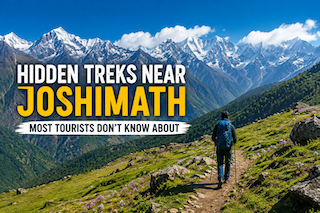
Table of Contents
Joshimath is often seen as nothing more than a gateway. Every year thousands of pilgrims pass through on their way to Badrinath, while adventure seekers head towards Auli, Kuari Pass, Valley of Flowers, and Hemkund Sahib. Most travelers spend a night here and continue their journey without realizing that the mountains surrounding Joshimath hide some of the most beautiful and least explored trekking routes in Uttarakhand.
Beyond the popular tourist circuit lies a different side of the Garhwal Himalayas. Ancient shepherd trails wind through dense forests of oak and rhododendron, forgotten villages sit beneath towering peaks, and remote alpine meadows offer solitude that has become increasingly rare in the Himalayas. These trails may not appear in every travel brochure, but they provide experiences that many trekkers seek—silence, authenticity, and a deeper connection with the mountains.
For travelers who wish to move beyond crowded trekking routes and discover hidden corners of the region, the area around Joshimath offers remarkable opportunities. Some of these treks are short day hikes while others demand several days of walking through remote terrain, yet each rewards visitors with views and experiences that remain unknown to most tourists.
The Untouched Side of Joshimath
The popularity of destinations such as Auli and Kuari Pass has naturally drawn attention away from smaller trails. While famous treks continue to attract large numbers of visitors, many local routes remain largely used by shepherds, villagers, and a handful of experienced trekkers.
The landscape surrounding Joshimath is exceptionally diverse. Within a few hours of walking, one can move from pine forests to alpine meadows and eventually reach glacial terrain beneath some of India’s highest peaks. The presence of the Nanda Devi Biosphere Reserve and numerous protected mountain valleys has helped preserve much of the region’s natural beauty.
Unlike commercial trekking routes where campsites can become crowded during peak seasons, these lesser-known trails offer a sense of exploration that is increasingly difficult to find in popular Himalayan destinations.
Khullara Beyond the Kuari Pass Crowd
Many trekkers heading towards Kuari Pass treat Khullara merely as an overnight campsite. Few realize that the surrounding ridges and meadows offer excellent opportunities for exploration beyond the standard route.
Located amidst expansive bugyals and surrounded by dense forests, Khullara provides magnificent views of Nanda Devi, Dronagiri, Kamet, Hathi-Ghoda peaks, and several other Himalayan giants. While most groups continue directly towards Kuari Pass, spending additional time exploring the surrounding ridgelines reveals untouched landscapes and hidden viewpoints.
During spring, the forests surrounding Khullara burst into color as rhododendrons bloom across the hillsides. In autumn, the clear skies offer some of the finest mountain panoramas in Garhwal. The area remains surprisingly peaceful despite its proximity to one of Uttarakhand’s most famous trekking routes.
For photographers and nature enthusiasts, these lesser-explored sections around Khullara can be more rewarding than the main pass itself.
The Remote Trek to Bagini Glacier
Among the most spectacular hidden treks accessible from the Joshimath region is the journey towards Bagini Glacier. Although gaining popularity among experienced trekkers, it remains largely unknown to mainstream tourists.
The trek begins from Jumma village near Joshimath and gradually enters a remote valley surrounded by towering Himalayan peaks. As the trail progresses, trekkers pass through traditional mountain settlements, alpine grazing grounds, and rugged glacial landscapes.
One of the greatest attractions of this route is its proximity to some of the most impressive mountains in India. Peaks such as Changabang, Kalanka, Dunagiri, and Trishuli dominate the skyline throughout the journey. Their steep rock faces and snow-covered ridges create an unforgettable backdrop.
Unlike many commercial treks where the destination is often a single viewpoint, Bagini Glacier offers constantly changing scenery. Every day reveals a different aspect of the high Himalayas, making the journey itself the primary attraction.
The remote nature of the trek ensures that visitors often encounter very few other groups, even during peak trekking seasons.
Dronagiri Village and the Forgotten Trails
Hidden deep within the mountains lies Dronagiri Village, a place where mythology, history, and natural beauty converge. According to local legends, the village is associated with the story of Hanuman carrying the Sanjeevani-bearing mountain during the Ramayana.
While visitors occasionally drive to the village, few choose to explore the network of ancient trails that extend beyond it. These paths were once important trade and migration routes connecting remote Himalayan settlements.
Walking through Dronagiri offers a glimpse into traditional mountain life that has remained largely unchanged for generations. Stone houses, terraced fields, and ancient temples reflect a cultural heritage deeply rooted in the Himalayas.
The trekking routes surrounding the village pass through forests, grazing grounds, and high-altitude meadows while offering panoramic views of the Dronagiri massif. Because these trails remain outside mainstream tourism, trekkers often experience a sense of genuine solitude.
For those interested in both culture and trekking, Dronagiri provides one of the most rewarding experiences near Joshimath.
The Hidden Meadows Above Tapovan
Most travelers know Tapovan as the starting point for hot springs and village excursions. However, few venture beyond the settlement into the hidden meadows that rise above the valley.
These alpine grasslands remain largely untouched due to their relative inaccessibility. Shepherds use them during summer months, but they receive very little tourist traffic compared to famous bugyals elsewhere in Uttarakhand.
The ascent through oak and rhododendron forests eventually opens into rolling meadows with sweeping views of surrounding mountain ranges. During summer, wildflowers carpet large sections of the landscape, creating vibrant colors against the backdrop of snow-capped peaks.
The lack of commercial trekking activity makes these meadows ideal for travelers seeking peaceful Himalayan landscapes away from crowded campsites.
Ruing Village and the Gateway to Remote Valleys
Ruing Village is often overlooked despite serving as an entry point to some of the most remote mountain valleys in the region. The trek towards the village itself is relatively easy, making it suitable for travelers seeking an offbeat experience without committing to a multi-day expedition.
The route follows traditional mountain paths through forests and small settlements before reaching the isolated village. From here, the surrounding valleys unfold into dramatic landscapes rarely seen by ordinary tourists.
What makes Ruing particularly fascinating is the feeling of stepping back in time. The pace of life remains slow, and the surrounding mountains dominate every aspect of the landscape.
Trekkers interested in village tourism, cultural exploration, and photography will find the region exceptionally rewarding.
Gorson Beyond the Tourist Route
Gorson Bugyal is not entirely unknown, but most visitors only walk a short distance from Auli before returning. Few continue beyond the standard tourist trail.
The meadows stretch much farther than many realize, connecting to forested ridges and remote viewpoints that remain largely unexplored by day visitors. Those willing to spend additional time on foot are rewarded with magnificent landscapes and significantly fewer crowds.
Early mornings in Gorson are particularly beautiful. As the first rays of sunlight illuminate Nanda Devi and surrounding peaks, the vast grasslands appear almost untouched.
Exploring the less-visited sections of Gorson reveals why these alpine meadows have long been considered among the most beautiful in Garhwal.
Why These Hidden Treks Matter
Modern Himalayan tourism often concentrates visitors into a small number of destinations. As a result, many equally beautiful locations remain overlooked. Hidden treks around Joshimath provide an opportunity to distribute tourism more sustainably while offering travelers richer experiences.
These routes encourage deeper engagement with local culture, support remote communities, and allow visitors to appreciate landscapes beyond the standard tourist circuit. They also preserve the spirit of exploration that originally drew people to the Himalayas.
For experienced trekkers, these lesser-known trails offer fresh challenges. For beginners, they provide opportunities to experience authentic mountain environments without the crowds associated with famous trekking routes.
Most importantly, they remind us that the Himalayas are far larger and more diverse than the handful of destinations that dominate social media and travel itineraries.
Best Time to Explore Hidden Treks Near Joshimath
The ideal trekking season depends on the specific route. Spring, from April to June, brings pleasant temperatures and blooming rhododendrons. Summer offers access to higher-altitude regions, while autumn provides the clearest mountain views of the year.
The monsoon season transforms the landscape into a lush green paradise, although landslides and slippery trails can make trekking challenging. Winter brings snow to many routes, creating spectacular scenery but limiting accessibility.
For most hidden treks around Joshimath, May, June, September, and October remain the most reliable months.
Final Thoughts
Joshimath is much more than a stopover on the way to famous Himalayan destinations. Hidden among its surrounding mountains are trails that reveal a quieter and more authentic side of Uttarakhand. From the rugged landscapes of Bagini Glacier to the forgotten pathways around Dronagiri and the silent meadows above Tapovan, these routes offer experiences that many travelers never discover.
For those willing to venture beyond the usual tourist circuit, the rewards are immense. The mountains feel wilder, the villages more genuine, and the landscapes more personal. In a time when many trekking destinations are becoming increasingly crowded, these hidden trails near Joshimath preserve the sense of wonder and exploration that makes the Himalayas truly special.
Recent posts !!
Winter Char Dham Yatra in Uttarakhand: Where the Gods Go After the Temples Close

Tilu Rauteli: The Warrior Princess of Garhwal | History, Story & Legacy

Madho Singh Bhandari: The Brave Warrior and Engineer of Garhwal
Baijnath Temple Kangra: Shravan Celebrations at the Ancient Stone Abode of Shiva
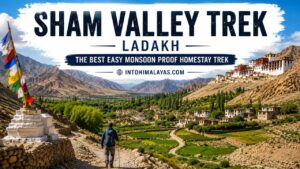
Sham Valley Trek Ladakh – The Best Easy Monsoon-Proof Homestay Trek in the Himalayas