
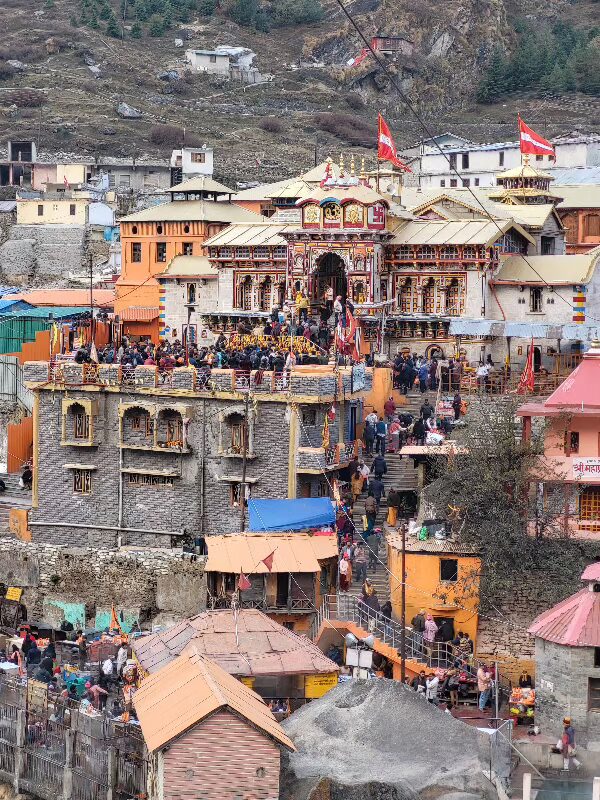
Badrinath Yatra 2026: Complete Travel Guide, Opening Date, Route & Real Experience
Table of Contents
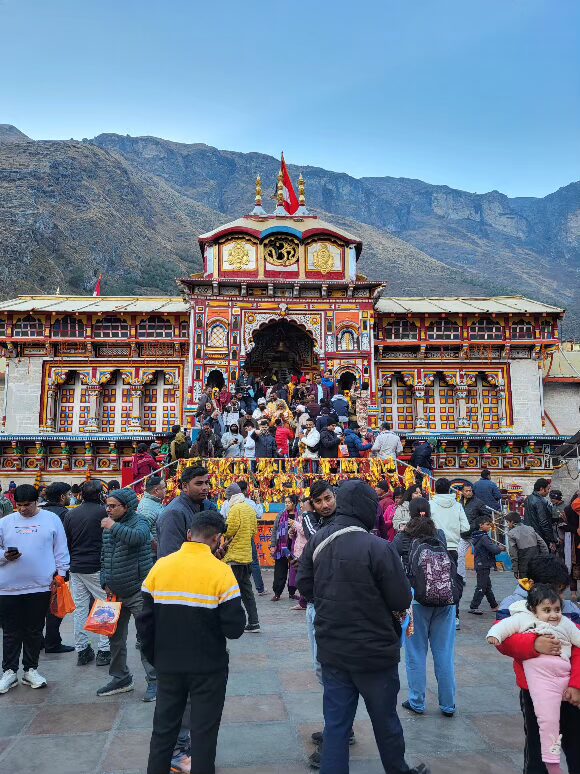
Planning a trip to Badrinath Temple is something many people think about at least once — whether it’s part of Char Dham Yatra or just a personal visit to the mountains.
It’s one of those places that almost everyone already knows about, so the real question isn’t what it is, but how to actually plan the journey properly. Things like the right time to go, road conditions, where to stay, and what to expect on the way matter a lot more than just knowing its importance.
If you’re planning Badrinath Yatra 2026, this guide covers everything you’ll realistically need — from opening dates and travel routes to simple tips that can actually make your journey smoother.
Badrinath Opening Date 2026
-
- Opening Date: 23 April 2026
-
- Opens on the occasion of Akshaya Tritiya
-
- Closing: Around October–November (tentative)
The temple remains open only for about 6 months due to extreme winter conditions.
Where is Badrinath Located
Badrinath is situated in the Chamoli District, in Uttarakhand at an altitude of around 3,300 meters.
It lies on the banks of the Alaknanda River, surrounded by the Garhwal Himalayas, with the Neelkanth peak watching over the temple.
Despite being road-accessible, the altitude and terrain still make it a serious mountain journey.
How to Reach Badrinath
From Haridwar / Rishikesh (Most Common Route)
Route:
Haridwar → Rishikesh → Devprayag → Rudraprayag → Karnaprayag → Joshimath → Badrinath
-
- Distance: ~300 km
-
- Time: 10–12 hours
This is not a highway drive — expect slow movement, mountain traffic, and occasional delays.
From Dehradun
The route merges with Rishikesh and follows the same highway. Roads are better initially, but mountain driving begins after Rishikesh.
Joshimath to Badrinath (Final Stretch)
-
- Distance: ~45 km
-
- Time: 2–3 hours
Joshimath acts as the last major stop. Many travelers halt here to adjust to altitude before heading to Badrinath.
Best Time to Visit Badrinath
May to June (Peak Season)
-
- Snow still visible
-
- Cold weather
-
- Heavy crowd
September to October (Best Time)
-
- Clear skies
-
- Less crowd
-
- Better overall experience
July–August (Avoid)
-
- Landslides
-
- Roadblocks
-
- Risky conditions
If you want a peaceful experience with good weather, September is the best time.
Where to Stay in Badrinath
Accommodation is simple but sufficient:
-
- Dharamshalas (budget-friendly)
-
- GMVN guest houses
-
- Small hotels near the temple
Don’t expect luxury — most stays are basic but clean.
Tip: Book in advance during peak season.
What to Expect at Badrinath Temple
The temple is dedicated to Lord Vishnu and is one of the most important pilgrimage sites in India.
-
- Morning darshan is usually less crowded
-
- Evening aarti has a calm, powerful atmosphere
-
- Pilgrims often take a dip in Tapt Kund before entering the temple
Even with crowds, the place has a strange calmness that’s hard to explain.
Things to Do in Badrinath
Take a Dip in Tapt Kund
A natural hot water spring near the temple. Many pilgrims bathe here before darshan.
Attend Evening Aarti
The temple lights up beautifully, and the atmosphere becomes peaceful and spiritual.
Walk Along the Alaknanda River
Sitting quietly near the river is one of the simplest but most grounding experiences here.
Explore the Local Market
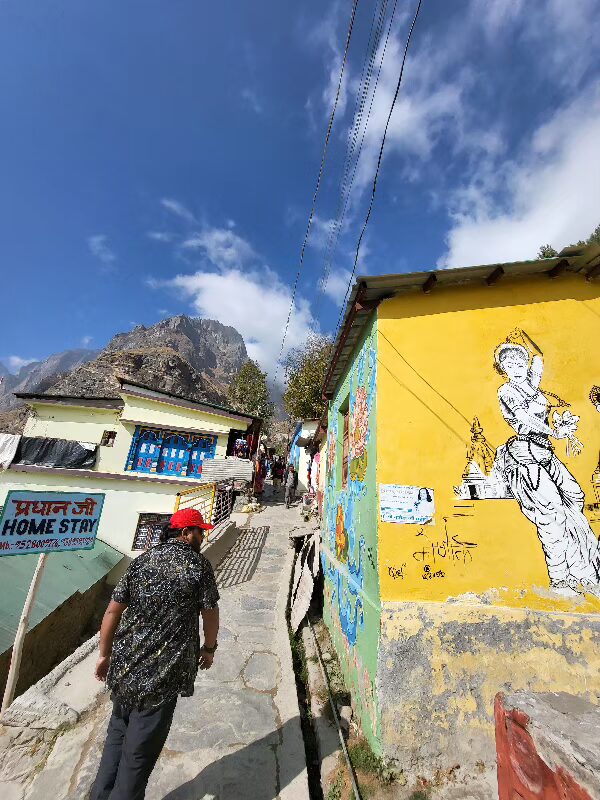
Small shops selling prasad, woolens, and souvenirs — nothing fancy, but worth a walk.
Nearby Places to Visit
Mana Village
Just 3 km from Badrinath, known as the last village of India.
Places to see:
-
- Bheem Pul above saraswati river.
-
- Vyas Gufa near a bridge
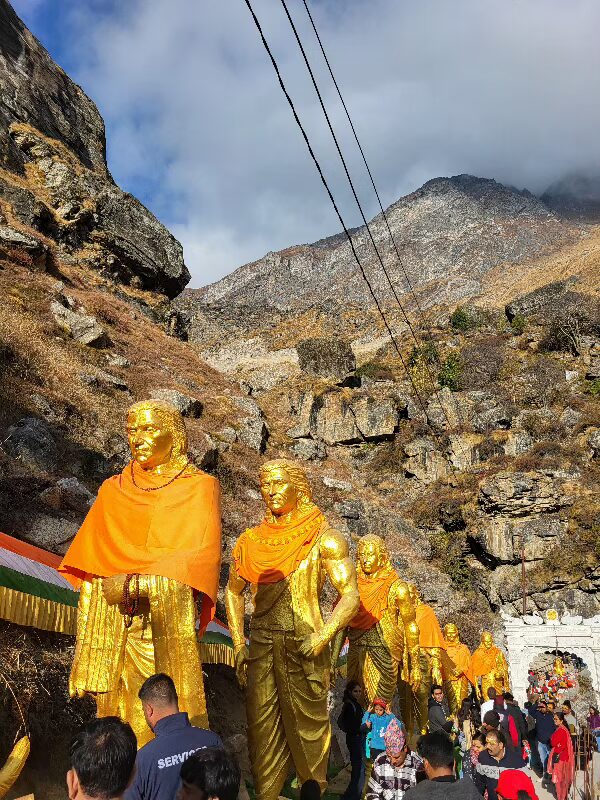
- Pandawas statues facing the swargarohini with their Dog.
- Mauni Baba cottage
Vasudhara Falls
A 5 km trek from Mana Village. The trail is not too difficult and offers great views.The trail starts from Mana Village and is fairly simple, though slightly uphill in parts. It usually takes about 1.5 to 2 hours to reach the falls, depending on your pace.
Charan Paduka
A short but steep trek that gives a panoramic view of the Badrinath valley.Charan Paduka is a short but slightly steep trek (around 3 km) from Badrinath.It is believed to have the footprints of Lord Vishnu, adding spiritual importance to the place.The viewpoint offers a beautiful panoramic view of the Badrinath valley and surrounding mountains.
Budget for Badrinath Trip
-
- Travel: ₹3,000 – ₹8,000
-
- Stay: ₹800 – ₹2,500 per night
-
- Food: ₹300 – ₹600 per day
Total estimated budget: ₹6,000 – ₹15,000
Important Travel Tips
-
- Start early in the morning to avoid traffic
-
- Carry warm clothes even in summer
-
- Keep basic medicines (altitude, motion sickness)
-
- Complete Char Dham registration in advance
-
- Avoid night driving in mountains
Most importantly — don’t rush the journey.
A Small Reality Check
Many people think Badrinath is easy because it’s accessible by road.
But long travel hours, changing weather, and high altitude can still make it tiring. It may not test your stamina like Kedarnath, but it tests your patience.
Final Thoughts
Badrinath isn’t a place you just visit and move on from. Even though the journey is easier compared to other Himalayan temples, it still takes time, patience, and a bit of adjustment.What really stays with you is not just the darshan at Badrinath Temple, but the overall journey — the long roads, the cold air, and those quiet moments in the mountains.
By the time you return, it doesn’t feel like just another trip. It feels like you actually slowed down for a while — and that’s something you don’t get very often.
Explore More on IntoHimalayas
If you’re planning further in Uttarakhand, you can also explore:
Because once you start exploring these mountains, one trip is never enough.
by – Rohit Thapliyal
for Intohimalayas